open

HTML5播放器新选择:ZWPlayer对比传统多插件方案

从hls.js+flv.js+video.js三件套到ZWPlayer单实例:全协议播放器架构演进

做过Web视频开发的同学应该都经历过这样的场景:项目需要同时支持HLS直播、FLV低延迟推流、MP4点播回放,于是你在package.json里依次装上了video.js、hls.js、flv.js,再写一堆if-else判断URL后缀来决定加载哪个解码器。三个库的版本冲突、CSS样式互相污染、打包体积膨胀——这套”三件套”方案用了好几年,直到我在一个新项目里试了ZWPlayer,才发现全协议播放器的集成方式已经变了。

传统”三件套”方案到底痛在哪里

先说清楚问题,不是开源库不好,而是组合使用的隐性成本太高。

video.js作为播放器UI框架本身很优秀,但它只是一个”壳”,真正干活的解码引擎需要你自己塞进去。播HLS要引入hls.js,播FLV要引入flv.js,播DASH要引入dash.js。每多一个库,就多一层维护负担:

  • 依赖管理:三个库各自有npm依赖链,版本升级时经常出现peer dependency冲突,Webpack/Vite构建报错排查起来很耗时。
  • 协议判断逻辑:开发者需要手写URL嗅探逻辑——判断是.m3u8就初始化hls.js并挂到video.js,是.flv就走flv.js路线,逻辑分支越写越长。
  • 样式冲突:video.js的默认皮肤和hls.js的UI组件经常打架,尤其在WordPress等CMS环境里,全局CSS会渗透到播放器容器内。
  • WebRTC缺失:三件套里没有现成的WebRTC播放方案,低延迟直播还得额外引入webrtc-streamer或自建SFU对接,架构复杂度直接翻倍。

一个中型视频平台的播放器模块,光处理这些集成问题就可能消耗2-3周的开发量。而这部分工作产出的是”能播”,不是”好用”。

ZWPlayer的解法:智能嗅探+统一内核

ZWPlayer(Zero Web Player)的思路完全不同。它不做”播放器UI框架+外挂解码插件”的分层,而是把协议识别、解码调度、UI渲染全部收敛到一个JS文件里。开发者只需要传入容器和URL,引擎自动完成剩下的事情。

核心接入代码就这么几行:

<script src="https://cdn.zwplayer.com/v3/zwplayer/zwplayer.js"></script>
<div id="mse"></div>
<script>
  const player = new ZWPlayer({
    playerElm: '#mse',
    url: 'https://example.com/stream.m3u8'
    // 无需指定plug或手动push插件,引擎自动识别协议
  });
</script>

没有CSS引入,没有插件注册,没有URL判断分支。传入一个HLS地址,它播HLS;传入RTSP地址,它走网关转码;传入WebRTC的WHEP端点,它直接建立低延迟连接。这种智能嗅探机制把协议适配的复杂度从开发者侧转移到了引擎内部。

关键维度对比:集成成本与能力覆盖

把两套方案放在一张表里对比,差异就很直观了:

对比维度 video.js + hls.js + flv.js ZWPlayer单实例
引入文件数 3-4个(核心JS+CSS+各协议插件) 1个(仅zwplayer.js)
协议判断 手动编写URL嗅探逻辑 引擎自动识别,零配置
WebRTC支持 需额外引入SDK,架构割裂 内置WHEP及阿里云ARTC、腾讯云TRTC适配
RTSP监控流 不支持,需转码服务 配合轻量网关,浏览器无插件直连
样式隔离 易受全局CSS污染 WordPress插件提供沙盒级隔离
框架适配 需手动封装Vue/React组件 官方提供zwplayervue3、zwplayer-react组件包

从能力覆盖来看,ZWPlayer不仅替代了三件套的HLS和FLV播放能力,还补齐了WebRTC低延迟直播和RTSP安防监控两个传统方案缺失的拼图。以一个在线教育平台为例,你可能同时需要HLS课程点播回放、WebRTC低延迟连麦互动、以及RTSP考场监控画面投屏——三件套方案要集成3个以上播放器库并处理它们之间的样式冲突,而ZWPlayer一个实例就能在不同协议间无缝切换。

迁移成本与注意事项

如果你的项目已经在用video.js生态,迁移到ZWPlayer的成本并不高。核心改动是把初始化逻辑从”手动判断协议+加载对应插件”简化为”传URL给ZWPlayer”。原有的自定义UI逻辑可以用ZWPlayer的配置项替代,比如倍速控制、画中画、弹幕这些功能都是内置的,不需要额外开发。

有几个点值得注意:ZWPlayer的ZWMAP交互标注系统使用JSON配置驱动,如果你之前在video.js上自建了互动功能,需要将数据格式迁移到ZWMAP标准。不过这个标准本身设计得比较开放,支持13种交互节点类型,覆盖了测验、分支跳转、热区点击等常见场景。

另外,ZWPlayer的核心功能承诺永久免费且无广告,所有数据严格本地化处理。在隐私合规方面,它提供localPlayback离线模式——敏感视频文件无需上传到任何服务端,直接在浏览器内完成解析和预览。这种纯前端的数据隔离能力,是开源三件套方案需要投入大量自研才能实现的。

选型建议

video.js生态的优势在于开源社区的插件丰富度和定制自由度,如果你的团队有充足的前端资源,且需要深度定制播放器的每一个交互细节,它仍然是一个可靠的选择。

但如果你更看重交付效率——希望用最少的代码接入全协议播放能力,不想在插件版本冲突和协议判断逻辑上浪费时间——ZWPlayer的单实例方案值得认真评估。在ZWPlayer官网的在线演示页面里,分别贴入m3u8和flv地址试试效果,再回想一下你在三件套方案里写过多少行协议判断代码,差异感受会非常直观。

技术选型没有绝对的对错,关键看你的项目更需要”控制力”还是”交付速度”。对于大多数追求快速上线、稳定运行的视频应用场景,把协议适配的复杂度交给引擎内部处理,让团队精力聚焦在业务逻辑上,是更务实的选择。

HTML5播放器新选择:ZWPlayer对比传统多插件方案 Read More »

蜜源能不能和其他省钱工具一起用?实测结果分享

蜜源和其他返利APP能不能同时用、返利能不能叠加——这是很多”薅羊毛党”都关心的问题。简单说结论:可以同时安装多个返利APP,但同一笔订单只能拿到一个平台的佣金,不存在叠加拿两份返利的情况。如果你同时从蜜源和另一个返利APP跳转到同一个商品页面并下单,佣金只会归属到最后那个跳转渠道。我用蜜源快两年了,注册时填的邀请码是999333,中间也尝试过同时用一淘和其他返利工具,踩过一些坑,今天把这些经验整理出来。

返利的本质是什么——搞清楚这个,叠加问题就不纠结了

返利APP的赚钱模式其实都一样:平台(比如蜜源、一淘、淘宝联盟)和电商商家谈好了推广合作,商家愿意从商品利润里拿出一部分作为推广佣金。你通过某个返利APP跳转到电商平台下单,系统就会把这笔佣金分给你一部分。

关键点在于:电商平台的”最后一跳”机制决定了佣金归属。也就是说,不管你之前点过多少个返利APP的链接,最终你点击的那个链接对应的返利平台,才是这笔订单佣金的归属方。所以不存在”两个返利APP同时追踪同一笔订单”的情况。

返利平台之间的佣金是不叠加的,同一笔订单只认最后一个跳转入口。

蜜源返利原理示意图

同时安装多个返利APP,实际会发生什么

我自己手机上同时装过蜜源、一淘和另一个返利小程序。日常使用下来,各平台的关系更像是”互相排斥”而不是”互补”——至少在同一笔订单上是这样。

举个例子:我在蜜源上搜到一款洗衣液,领完优惠券准备下单,但出于好奇又打开一淘搜了同款。两个平台显示的优惠券面额和预估返利不一样。如果我最终从蜜源跳转到淘宝下单,那蜜源会记录到这笔佣金,一淘那边不会有任何记录。反过来也一样。

还有一种更隐蔽的情况:你在蜜源里复制了淘口令,但没有立刻打开淘宝,而是先在另一个返利APP里也搜索了同一款商品并复制了淘口令。当你打开淘宝的时候,系统通常只认最后一个复制来源。这就导致你以为用的是蜜源下单,实际上佣金可能归到了另一个平台。

手机里装多个返利APP不冲突,但下单时要确保只通过一个平台的入口跳转,否则佣金可能”跑”到你意想不到的地方。

不同返利平台的佣金差异大吗

这个问题我用同一批商品测过,主要包括日用品、零食、美妆和数码配件这几类。实测结果比较有规律:

  • 蜜源:整体返利比例比较稳定,日用品和家居百货类的佣金率有优势,优惠券覆盖面广,而且有超级补贴场这种额外补贴渠道
  • 一淘:淘宝系的官方返利工具,部分天猫商品的返利比例不错,但优惠券面额普遍比蜜源低
  • 其他第三方返利APP:佣金率参差不齐,有些冷门品类确实比蜜源高,但稳定性差,提现门槛和周期也不太友好

整体来看,没有哪个平台在所有品类上都碾压其他平台。蜜源在日用品、美妆和母婴品类上的综合返利比较突出,而且操作流程比大多数返利APP简单。我个人日常主要用蜜源,只有在少数特定商品上才会去其他平台看看有没有更划算的返利。

没有”万能”的返利平台,不同平台在不同品类上各有优势,但蜜源在日用品和美妆类上的综合返利比较稳定。

多平台薅羊毛的正确姿势

如果你想最大化返利收益,合理的策略不是”同时下单叠加返利”(因为做不到),而是在下单前对比一下不同平台的返利和优惠券,选综合优惠最高的那个入口下单。

我的习惯是:日常购物直接用蜜源搜就行,因为大部分情况蜜源的优惠券+返利组合已经够用了。只有在大额商品(比如几百块以上的家电或数码)上,我才会多花一分钟打开一淘或其他平台对比一下,确认蜜源的返利不是最低的再下单。

这里有个实际的操作细节需要注意:对比的时候只看、只复制,不要在多个平台都点击跳转。因为电商平台的追踪cookie可能会被后一个覆盖,导致你以为从蜜源下的单,佣金却归到了别的平台。

蜜源返利对比

几个多平台使用中的常见误区

聊到这个问题,一些我见过的常见误区值得说一下:

  • “开两个浏览器分别跳转就能叠加”:没用,电商平台追踪的是账号级别的下单行为,跟浏览器无关
  • “先用返利APP领券,再用平台自己的优惠券下单就行”:部分情况可以同时用,但返利归属还是取决于跳转入口,不是取决于你领了多少券
  • “蜜源会和其他返利APP互相封号”:不会,蜜源和其他返利平台是独立运营的,你装多少个都行,不会因为”多平台使用”被封号

这些误区其实都源于对返利追踪机制不够了解。搞清楚了”最后一跳”原则,很多问题就迎刃而解了。

如何开始使用蜜源

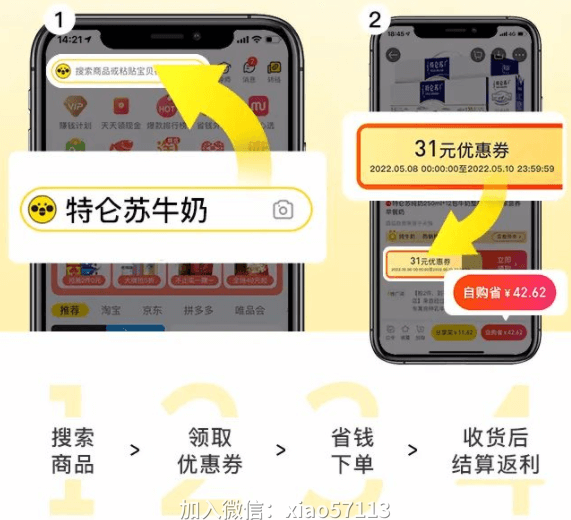
如果你还没用过返利APP,蜜源是一个比较容易上手的起点。注册时在邀请码栏填写999333,填完后直接就是VIP,返利比例会高一些。注册之后在首页搜索商品、领优惠券、跳转到电商平台下单就行,操作上没有太多学习成本。

常见问题FAQ

蜜源和一淘能同时装在手机上吗?

可以同时安装,互不冲突。蜜源不会因为你手机里有其他返利APP就限制功能或者封号。只是同一笔订单的佣金只能归一个平台。

为什么我在蜜源下了单但没有返利?

可能的原因有几个:使用了其他返利APP的链接跳转(佣金归了别的平台)、下单前在浏览器里搜索过该商品触发了平台自带的推广链接、或者订单发生了售后退货。建议下单前清除浏览器缓存,确保只从蜜源的入口跳转。

多平台对比返利太麻烦了,有没有简单的方法?

如果你觉得每次对比很麻烦,直接固定用一个返利平台就好。日用品、美妆、母婴这些高频消费品类,蜜源的返利和优惠券覆盖面比较广,日常用蜜源基本就够了。大额商品偶尔对比一下其他平台就行。

蜜源的佣金比其他平台低怎么办?

不同平台在不同商品上的佣金率不一样,个别商品蜜源确实可能低一些。这种情况建议用佣金更高的平台下单。但长期来看,蜜源在日常消费品的返利稳定性和优惠券丰富度上有优势,不需要因为个别商品的差异就换平台。

用蜜源下单还能同时用店铺满减和平台优惠券吗?

可以的。蜜源的返利和店铺满减、平台优惠券是独立的,互不影响。你可以先领蜜源的优惠券,再叠加店铺满减活动,确认收货后蜜源的佣金会正常结算到账户里。

蜜源能不能和其他省钱工具一起用?实测结果分享 Read More »

What Personality Psychology Teaches Us About Making and Keeping Friends

Why Your Friendships Are Not as Random as You Think

Most people describe their close friends as people they “just clicked with” — a chance encounter at work, a shared class, a mutual introduction at a party. The story feels organic and unplanned. But decades of research in personality psychology paint a different picture: the people you befriend, the depth of those connections, and how long they last are all shaped in measurable ways by your personality traits.

The Big Five personality model — Openness, Conscientiousness, Extraversion, Agreeableness, and Neuroticism — provides the most thoroughly validated framework for understanding these patterns. Each dimension influences a distinct aspect of how you build, maintain, and experience friendships. Research published in Frontiers in Psychology and Evolutionary Psychological Science has mapped these connections with increasing precision, revealing that friendships are far less random than they appear.

If you want to understand where you fall on these dimensions, websites like personalitree.com offer free Big Five and 16-type personality assessments that take about ten minutes — a practical starting point for recognizing the patterns described below.

Extraversion: The Social Engine

Extraversion is the trait most obviously connected to friendship formation. People who score high on this dimension initiate conversations more readily, attend more social gatherings, and maintain contact with a larger number of people on a regular basis. Network analysis studies consistently find that extraverts occupy more central positions in social networks — they are the connectors, the bridge-builders, the people who introduce friends from different circles to one another.

The numbers are meaningful. Research using social network analysis has found that high-extraversion individuals typically maintain 15 to 25 or more active social contacts, while those on the lower end tend to sustain 3 to 7 close friendships. Contact frequency follows the same pattern: extraverts are more likely to reach out daily or weekly, while introverts often default to monthly or biweekly communication — not from disinterest, but from a genuine preference for lower social stimulation.

But here is where the research gets interesting. Extraversion predicts friendship quantity more reliably than friendship quality. A large, active network does not automatically translate into deeper bonds. In fact, extraverts sometimes struggle with a dynamic that researchers call the “breadth-depth tradeoff” — the more people you spread your social energy across, the less time and emotional bandwidth available for any single relationship. Introverts, by contrast, often report fewer but more intense friendships, a pattern that holds up in longitudinal satisfaction studies.

Agreeableness: The Quality Predictor

When researchers want to predict how satisfied someone feels in their friendships, the trait they look to is not Extraversion — it is Agreeableness. People who score high in Agreeableness are naturally attuned to others’ emotional states, quick to offer support during difficult times, and skilled at navigating disagreements without escalating conflict. These tendencies make them the glue that holds social groups together.

A 2024 study published in Evolutionary Psychological Science surveyed 434 participants on 54 distinct friendship-strengthening behaviors and found that Agreeableness was the single most influential personality trait in predicting how people deepen their bonds. High-Agreeableness individuals were significantly more likely to show trust by sharing personal information, provide emotional support during crises, engage in frequent communication, and do favors that go beyond what they would offer to casual acquaintances.

The correlation between Agreeableness and friendship satisfaction typically falls in the r = 0.20 to 0.30 range — moderate but consistent across studies. This means Agreeableness does not guarantee great friendships, but it creates conditions that make them more likely: mutual trust, open communication, and a willingness to prioritize the relationship during conflicts.

The risk appears at the extreme end. Very high Agreeableness can lead to over-accommodation — consistently suppressing your own needs to maintain harmony. Over time, this pattern breeds resentment and burnout, the exact opposite of what a healthy friendship requires. The most effective approach involves what psychologists call “assertive agreeableness”: warmth and empathy combined with the ability to set boundaries when necessary.

Conscientiousness: The Reliability Factor

Friendships do not survive on warmth alone. They require follow-through — showing up when you said you would, remembering birthdays, following up on plans, returning calls. This is where Conscientiousness enters the picture. People high in this trait are perceived by their friends as dependable and trustworthy, qualities that research consistently identifies as foundational to long-term friendship maintenance.

The mechanism operates through reciprocity and predictability. Conscientious friends invest proportionally in relationships that matter to them. They are the people who remember the details you mentioned weeks ago, who initiate check-ins without being prompted, and who follow through on commitments even when life gets busy. This consistency creates a sense of emotional safety that deepens trust over time.

The relationship between Conscientiousness and friendship satisfaction, while weaker than the Agreeableness correlation (r = 0.15 to 0.25), operates through a different pathway. Where Agreeableness creates emotional closeness, Conscientiousness creates structural stability — the reliable scaffolding that allows a friendship to endure across years, relocations, and life transitions.

Neuroticism: The Quiet Saboteur

Of all five Big Five traits, Neuroticism has the strongest negative relationship with friendship satisfaction. People who score high on this dimension experience negative emotions more frequently and intensely — anxiety, self-consciousness, guilt, and emotional volatility. In the context of friendship, these tendencies translate into behaviors that strain even strong bonds.

The research is clear. Meta-analyses examining personality and relationship outcomes consistently find that Neuroticism correlates with friendship dissatisfaction in the r = -0.25 to -0.45 range, making it the single strongest negative predictor. High-Neuroticism individuals are more likely to interpret ambiguous social cues as rejection, ruminate over perceived slights, and withdraw from friendships during periods of emotional distress — precisely when social support would be most beneficial.

Conflict escalation is another pathway. A minor disagreement that a low-Neuroticism person might address directly and move past can trigger a prolonged emotional spiral in someone scoring high on this trait. The friend on the other side may feel confused or frustrated, unsure what went wrong, and gradually reduce contact — a pattern that researchers call “covert relationship deterioration.”

What makes this dynamic particularly challenging is that high-Neuroticism individuals are not unaware of the problem. They often recognize that their emotional reactions drive people away, which creates a self-reinforcing cycle: anxiety about losing friends triggers behaviors that actually push friends away, which in turn increases anxiety.

Openness: The Diversity Driver

Openness to Exercise influences friendships differently than the other Big Five traits. It does not predict how many friends you have or how deeply you connect — it predicts the variety and richness of your social world. People high in Openness tend to cultivate diverse social networks that span different age groups, cultural backgrounds, professional fields, and interest communities.

Research on social network diversity has found that high-Openness individuals are more likely to form friendships with people who hold different viewpoints, pursue unconventional hobbies, and introduce them to unfamiliar experiences. This tendency has a compounding effect: diverse networks expose people to more perspectives and opportunities, which further stimulates intellectual curiosity and openness.

High-Openness friends also bring a particular quality to relationships: they are more likely to engage in the kind of deep, wide-ranging conversations that strengthen emotional bonds. The same 2024 Evolutionary Psychological Science study found that Openness predicted greater use of emotional support and meaningful conversation as friendship-building strategies — not through warmth (that is Agreeableness) but through genuine curiosity about another person’s inner world.

The limitation appears in the form of social selectivity. Very high Openness can lead to restlessness within long-standing friendships, a tendency to constantly seek novelty at the expense of nurturing existing bonds. The most socially fulfilled individuals tend to combine Openness-driven diversity with enough Conscientiousness and Agreeableness to maintain their core relationships even as they explore new social territory.

Do Opposites Really Attract in Friendship?

One of the most persistent questions in personality research is whether people are drawn to friends who are similar to them or different from them. The evidence points to a nuanced answer: moderate similarity on most traits, with some strategic complementarity.

Studies on friendship formation consistently find homophily — the tendency to befriend people similar to yourself — across Extraversion, Conscientiousness, and Openness. You are more likely to become close friends with someone whose social energy, lifestyle pace, and range of interests roughly match your own. This similarity reduces friction in daily interaction and creates shared experiences that strengthen the bond.

Agreeableness and Neuroticism, however, sometimes show a different pattern. Pairs where one friend is high in Agreeableness and the other is moderately low can complement each other effectively — the high-Agreeableness friend provides warmth and mediation, while the lower-Agreeableness friend brings directness and boundary-setting that the other may lack. Similarly, pairing someone high in Neuroticism with someone very low can provide grounding, though only if the low-Neuroticism friend has enough empathy to respond supportively rather than dismissively.

What research does not support is the popular idea that extreme opposites make the best friends. An introvert and an extravert can maintain a rich friendship, but only if both understand and respect their different social needs — the extravert accepting that their friend prefers smaller gatherings, the introvert recognizing that the extravert’s broader network does not diminish the value of their one-on-one connection.

Understanding Your Patterns Without Labeling Yourself

The value of personality research for friendship is not in assigning yourself a fixed identity. It lies in recognizing tendencies — the default patterns that shape your social behavior when you are not paying attention. A person who understands that their high Neuroticism makes them prone to withdrawal during conflict can consciously choose to reach out instead. Someone who knows their high Extraversion leads them to spread social energy too thin can intentionally invest more depth in fewer relationships. A low-Agreeableness person can learn to practice active listening even when their instinct is to debate.

None of these changes require transforming your personality. They require awareness of how your traits operate in the specific context of friendship — and a willingness to adjust your approach when your defaults are not serving you or the people you care about. That kind of deliberate effort, research suggests, matters more for friendship quality than any single personality trait you happen to possess.

What Personality Psychology Teaches Us About Making and Keeping Friends Read More »

不适合投聚光的商家画像,帮你省一笔试错费

聚光线索获客确实是目前本地生活和高客单行业最有效的线上获客方式之一,但它不是每个商家都适合投。我做广告代投这些年,见过太多商家在条件不成熟的时候硬上聚光,花了几千块没跑出几条有效线索,最后得出一个结论”聚光没用”。问题往往不在平台,而在投放前的基本条件没具备。这篇文章把不适合投聚光的几种情况说清楚,帮你省一笔试错成本。

产品本身不适合在线索场景下成交

不是所有产品都适合通过”留资-跟进-成交”这个链路来卖。聚光线索获客的核心逻辑是:用户看到你的广告,产生兴趣,留下联系方式,销售再跟进转化。这个路径对产品的基本要求是:客单价足够高、决策周期适中、服务内容能在线上或线下完整交付。

我做广告代投这些年,明显感觉到这几类产品在聚光上很难跑通。一是客单价低于100元的商品,线索成本再低也覆盖不了销售跟进的人力成本。二是纯标准化零售品,用户看完价格就能决定买不买,不需要留资再沟通。三是服务边界模糊、无法明确报价的业务,销售跟进时说不清楚价格和流程,转化率极低。

举个例子:一个卖手机壳的商家来咨询聚光投放,目标是通过私信拿到客户微信再转化。我直接建议他不要投。9块9的手机壳,用户看了价格合适直接下单就行,根本不需要”留资-销售跟进”这个链路。聚光对他来说是渠道错配。

聚光适合的是需要沟通、需要了解细节、需要建立信任才能成交的产品或服务,而不是看一眼就能决定买不买的标品。

没有专人承接私信和线索

聚光投放不是”把钱充进去就有客户自动上门”这么简单。用户留了私信、填了表单,后面还有大量的沟通转化工作。我见过不少商家花了钱跑出线索,但因为没人及时回复私信,或者回复的人不专业,线索白白浪费。

2026年聚光线索的黄金跟进窗口是48小时,超过这个时间不联系,用户基本已经冷了。如果你现在的情况是:没有专人负责看私信、销售团队忙不过来、或者回复私信的人对产品不熟,那建议先把内部流程理顺再考虑投流。

有个做留学咨询的客户,投放前跟我确认了三遍跟进流程:谁负责看私信、多久内必须回复、回复的话术模板是什么、怎么引导到微信或电话。这些细节确定之后才开始投放,第一个月线索有效率就达到了40%以上。反观另一个做家装咨询的商家,投放时连私信入口都没人盯,跑出来的线索三天后才回复,有效线索率不到5%。

聚光只是获客的前端,后端承接能力跟不上,前端花再多钱也是浪费。

冷启动预算低于最低门槛

我在之前的文章里提过,聚光线索获客的冷启动日预算至少是目标CPA(单次行动成本,即获取一条线索所需的平均广告花费)的8到10倍。这里再强调一次:预算不够,不要硬上。

聚光的算法需要足够的转化样本来学习人群模型。线索获客的转化事件(私信开口或表单提交)发生频率远低于点击,如果日预算连一条线索的成本都覆盖不了,算法每天都在”探索-叫停-再探索”的死循环里打转,永远跑不出稳定数据。

以2026年Q2的行业参考数据来说,教育留学类目的线索成本普遍在250-400元,本地生活服务类在80-200元。如果你的日预算只有300块,投教育类目一天都拿不到一条完整线索,系统根本没有学习素材。这种情况下不是”先少投点试试”,而是”等预算攒够了再投”。

当然,不同行业差异很大。本地生活服务类的冷启动门槛相对低一些,日预算1000-1500元通常能跑出有效数据。但如果是高客单、高竞争的行业,日预算低于2000元基本很难在第一个月内看到稳定效果。

预算不够的时候,把钱花在打磨内容、优化承接流程上,比硬上聚光更划算。

账号没有内容基础就急着投流

很多商家有一个误解:聚光就是花钱买流量,账号有没有内容不重要。实际情况恰恰相反——聚光的排序逻辑是”出价 × 内容质量分 × 用户相关性”,内容质量分直接影响你的广告能不能拿到好位置和低成本流量。

内容质量分(聚光平台对投放笔记的综合质量评分,由点击率、互动率、完读率、原创度等维度加权计算)虽然看不到具体数字,但它背后是平台对你账号内容能力的综合判断。一个新号,零笔记积累,上来就投聚光,系统没有足够的用户行为数据来判断你的内容质量,出价再高也拿不到好流量。

我建议至少先发布10-15篇与业务相关的自然笔记,观察哪些内容类型互动率高、用户评论问什么,再从中筛选数据最好的2-3篇来投。这个”养号”过程通常需要1-2周,但能让你的投放起点高很多。

聚光是放大器,不是启动器。没有内容基础的账号投聚光,等于把燃料倒进一个没有引擎的车里。

期望今天投明天就有效果的商家

聚光线索获客有一个客观规律:前7-14天是系统学习期,成本波动大、线索质量不稳定,这是正常现象。但有些商家对投放周期的预期完全脱离实际,投了三天看成本高了就关停,或者每天改出价改定向,把算法的学习节奏全打乱了。

我做广告代投这些年,聚光计划从启动到跑出稳定数据,平均需要2-4周。第一周主要是测试素材和定向,成本偏高是正常的;第二周开始系统逐步找到目标人群,成本开始回落;第三到四周如果数据走势稳定,才能进入放量阶段。

如果你需要的是”今天投广告、明天就有客户上门”的即时效果,聚光可能不是最合适的选择。信息流广告的优势在于可持续、可规模化的获客,而不是一夜爆红。

聚光投放需要耐心,急功近利的商家往往在最该坚持的时候放弃,在最该调整的时候硬撑。

总结:不适合投聚光的商家画像

以上几种情况可以归纳为五类不适合投聚光的商家:产品客单价过低或过于标准化的;没有专人跟进私信的;日预算低于行业冷启动门槛的;账号零内容基础就急着投流的;期望三天内看到明显效果的。

这五种情况不绝对,但如果占了两种以上,建议先把基础条件补齐再考虑投放。聚光是一个好工具,但工具再好,用错了场景也是浪费。

我是豹子,做广告代投这些年见过各种投放场景。如果你不确定自己的业务适不适合投聚光,或者想先评估一下投放条件是否成熟,可以加豹子的微信xiao57113聊聊具体情况,不一定非要合作,帮你判断一下方向也行。

FAQ

聚光投放最低预算多少才能开始?

不同行业差异很大。本地生活服务类建议日预算不低于1000元,教育、医美等高客单行业建议不低于2000-3000元。低于这个数,算法很难在合理时间内完成人群学习。

小商家没有销售团队,能不能投聚光?

可以,但要有专人负责私信回复。这个”专人”不一定专职销售,可以是老板本人或运营人员,关键是回复要及时、专业。如果完全没人管私信,不建议投。

新账号要养多久才能投聚光?

建议先发10-15篇自然笔记,积累1-2周的数据,观察哪些内容类型互动率高,再从中选优投放。零笔记的新号直接投流,效果通常不理想。

聚光投放多久能看到稳定效果?

一般需要2-4周。第一周是学习期,成本波动正常;第二周开始逐步稳定;第三到四周如果素材和定向都到位,可以进入放量阶段。每天改设置反而拖慢学习进度。

不适合投聚光的商家画像,帮你省一笔试错费 Read More »

小红书聚光低预算账户日预算设多少合适,别再乱花钱了

投手会被AI替代吗?AI驱动下广告投放从业者的能力危机与转型路径

AI不会替代广告投手,但不会用AI的投手会被淘汰。这是近两年广告投放行业最真实的写照。聚光、巨量等平台的AI工具已经能完成批量素材测试、智能出价和实时数据追踪,但战略判断、创意策划和用户洞察这些环节,依然是人不可替代的核心壁垒。

AI是效率工具,不是决策者——理解这一点,才能找到自己在行业中的不可替代位置。

我是豹子,做广告代投这行多年,这两年最大的感受是:平台工具越来越聪明,但真正会用这些工具的人反而更值钱了。这篇文章就从AI对广告投放的冲击说起,聊聊小红书聚光投放的实战调整方法,以及从业者如何在AI时代保住自己的核心竞争力。

AI在广告投放中到底能做什么?

先说清楚AI现在的能力边界,避免盲目焦虑,也避免过度依赖。

AI擅长的三件事

批量测试:同一时段跑几十组不同素材,AI能快速筛选出CTR(点击率)表现最好的几组,省去人工逐条查看数据的时间。

智能出价:聚光平台的oCPM(目标成本千次曝光出价)和oCPX(目标转化出价)能根据转化概率实时调整竞价,比人工盯盘效率高出一个量级。

数据回传:从曝光到点击再到转化,全链路数据自动归因,后端的ROI(投资回报率)计算基本不需要人工介入。

AI搞不定的三件事

战略判断:预算该押注小红书种草还是巨量千川短视频带货?这个问题AI给不了答案,它只能告诉你单条素材的表现,不能帮你做平台级别的战略选择。

创意策划:AI生成的小红书笔记文案,往往带着一股”微信公众号体”的正式感,而小红书用户要的是真实、有温度的分享感。过度依赖AI素材,笔记的互动率会明显下滑。

用户洞察:什么样的痛点能让目标用户停下来?什么样的叙事角度能引发共鸣?这些需要对人的理解,AI目前还停留在”分析数据”层面,无法真正”理解人”。

AI能帮你跑得更快,但方向对不对,还得人来定。

小红书聚光投放实战:三个关键调整维度

聚光是小红书官方的广告投放平台,本质上是信息流广告(在用户浏览内容流时插入的广告形式)和搜索广告(用户主动搜索关键词时展示的广告)的结合体。和巨量千川等短视频平台不同,小红书的用户心智更偏向”种草”和”决策参考”,这意味着投放逻辑有本质区别。

笔记选择:内容质量决定流量天花板

聚光投放的素材不是传统意义上的”广告素材”,而是小红书笔记本身。这意味着内容质量直接决定了点击率和转化率。AI工具可以帮你批量测试标题和封面,但笔记的”人感”——真实体验、具体场景、细节描写——需要人来把控。那些读起来像广告的笔记,在小红书上很难获得自然流量。

投放时段:配合用户活跃节奏

小红书的用户活跃时段和抖音有明显差异。晚间8-10点、午休12-13点是两个黄金窗口。聚光后台可以设置分时出价,但具体在哪个时段加大投放、哪个时段收缩预算,需要结合品类特性和历史数据来判断。AI能提供数据参考,但最终的预算分配决策还是得人来做。

人群定向:精准≠窄众

聚光的人群定向维度很丰富——年龄、性别、兴趣标签、搜索行为都可以设定。但很多广告主容易犯一个错误:定向过于狭窄,导致曝光量不够,系统学习期无法积累足够的转化数据。正确的做法是先用较宽泛的定向跑出数据,再逐步收窄到高转化人群。这个”从宽到窄”的节奏把控,是AI工具无法替代的经验判断。

聚光投放的核心逻辑是”内容+数据”的双轮驱动——AI处理数据端,人把控内容端。

广告主最容易踩的三个坑

做了这么多年广告代投,我见过太多广告主在这些地方反复交学费。

完全依赖AI,放弃人工审核

有些团队把投放完全托管给AI工具,素材不审核、数据不复盘、策略不调整。短期内数据可能还行,但一两个月后就会发现获客成本持续攀升,因为AI的优化逻辑是”在现有素材池里找最优解”,如果素材池本身质量不行,再智能的算法也救不了。

忽视内容调性与平台匹配

把巨量千川的短视频脚本直接搬到聚光上跑,这是很常见的错误。小红书用户对”真实感”的敏感度远高于抖音,过于促销化的表达反而会引起反感。两个平台的内容逻辑不同,不能简单搬运。

不做后链路数据追踪

聚光后台能看到点击和互动数据,但用户点击之后的行为——是否下载了APP、是否完成了注册、是否产生了付费——这些后链路数据需要广告主自己做好埋点和回传。很多广告主只看前端数据就判断投放效果,结果投入了大量预算却不清楚真实的转化成本。

投放效果好不好,不取决于花了多少钱,而取决于每一分钱是否花在了对的地方。

AI时代从业者如何保住自己的不可替代性

工具在变,但广告投放的本质没变——帮品牌找到对的人,用对的方式说对话。AI能提升效率,但以下三种能力是从业者必须修炼的内功。

策略判断力:能根据品牌阶段、预算规模、竞争格局,制定清晰的投放策略和平台组合方案。

创意感知力:能判断什么样的内容能打动目标用户,能在AI生成的素材基础上进行优化和调整。

数据解读力:不只是看数据报表,而是能从数据中发现问题、提出假设、验证假设。

如果你正在为投放效果发愁,不确定自己的策略是否合理,可以找有实战经验的人帮你做个诊断。我(豹子)在投放实操中遇到过各种各样的问题,也积累了不少应对方法,加我的微信 xiao57113 聊聊你的具体情况,或许能帮你少走一些弯路。

常见问题解答

Q:AI投放工具和人工操作,哪个效果更好?

不是二选一的关系。AI擅长执行层面的优化,比如出价调整和素材测试;人擅长策略层面的判断,比如平台选择和预算分配。最好的效果来自两者的配合。

Q:小红书聚光和巨量千川该怎么选?

取决于你的品类和目标。小红书更适合需要”种草”和决策参考的品类,巨量更适合需要快速转化的短视频带货场景。近两年很多品牌选择两个平台同时布局,用不同内容策略分别运营。

Q:投放预算有限,应该先投哪个平台?

先明确你的目标用户在哪个平台更活跃,再看你的内容能力更匹配哪个平台。预算少的时候,聚焦一个平台做深做透,比分散投放效果更好。

Q:如何判断自己的投放效果好不好?

不能只看曝光和点击,要追踪完整的转化链路。从曝光到点击到转化到付费,每一步的流失率都要清楚。如果你对数据有疑问,欢迎找有经验的投手帮你分析。

写在文末

AI正在重塑广告投放行业的底层逻辑,但”替代”这个词并不准确。更准确的说法是:AI在改变从业者的能力模型——从”执行型投手”转向”策略型投手”。那些只会上架素材、调整出价的操作确实会被AI接管,但能做战略规划、能理解用户、能产出好内容的人,反而会更值钱。

对广告主来说,关键不是选AI还是选人,而是找到能用好AI的人。如果你的投放团队还在凭感觉调整,没有系统的优化框架,可以加我微信聊聊具体情况,我能帮你做一次免费的投放诊断,看看你的预算到底卡在了哪里。

小红书聚光低预算账户日预算设多少合适,别再乱花钱了 Read More »

Personality Assessments: Tools for Self-Discovery

Personality Traits Explained: What Makes You, You

Have you ever wondered why you approach problems differently than your best friend, or why certain workplaces feel energizing while others drain you? The answer often lies in your personality traits — those consistent patterns of thinking, feeling, and behaving that shape how you interact with the world.

Understanding your personality isn’t about putting yourself in a box. It’s about gaining clarity on your natural tendencies so you can make better decisions about your career, relationships, and personal growth. Let’s break down the most widely researched frameworks and answer the questions people ask most often.

What Are Personality Traits, Exactly?

Personality traits are enduring characteristics that influence your behavior across different situations. Unlike moods or temporary states, traits remain relatively stable over time. Most personality models identify between 5 and 16 core traits, though the Big Five model — also called OCEAN or Five Factor Model — has become the gold standard in psychological research.

The Big Five measures five broad dimensions:

  • Openness to Experience — how curious, creative, and open to new ideas you are
  • Conscientiousness — how organized, dependable, and goal-oriented your approach tends to be
  • Extraversion — how much you draw energy from social interaction and external stimulation
  • Agreeableness — how cooperative, empathetic, and attuned you are to others’ needs
  • Neuroticism — how prone you are to experiencing stress, anxiety, or emotional turbulence

Everyone falls somewhere on a spectrum for each of these dimensions. You’re not simply “introverted” or “extraverted” — you have a unique combination that makes up your personality profile.

How Do Personality Types Differ From Personality Traits?

This is a common source of confusion. Personality traits describe dimensions along which people vary continuously. Personality types, like those in the MBTI framework, classify people into distinct categories based on cognitive preferences.

The MBTI identifies 16 types using four dichotomies: Extraversion/Introversion, Sensing/Intuition, Thinking/Feeling, and Judging/Perceiving. So an INFP values imagination and personal values in decision-making, while an ESTJ relies on structure and logical analysis.

Both approaches have their place. The Big Five excels at measuring nuance and predicting behavior with statistical accuracy. The MBTI framework is often more accessible for self-reflection and team discussions. Many people find value in exploring both.

Why Do Some People Seem “Easier” to Get Along With Than Others?

It’s rarely about someone being inherently difficult. More often, personality mismatches create friction. Two highly agreeable people might avoid conflict entirely, while two low-agreeableness individuals could debate constantly without taking it personally.

Compatibility — whether in friendships, romantic relationships, or teams — depends on understanding and respecting different personality styles. Someone high in conscientiousness might feel frustrated by a partner’s spontaneity, while that same spontaneity feels freeing to someone low in that dimension.

Neither approach is wrong. When you understand the underlying traits, you can appreciate different perspectives rather than judging them. Tools like personalitree.com offer free Big Five and 16-type assessments that help you map your own tendencies and compare them with others.

Can Personality Change Over Time?

Research suggests that yes, personality does shift — though gradually. People tend to become more conscientious and agreeable as they age, a pattern researchers call the “maturity principle.” Life experiences, therapy, deliberate practice, and new environments can all shape your traits over time.

This is encouraging news. Your personality isn’t a life sentence. It’s a starting point. If you recognize that low conscientiousness holds you back in your career, you can develop systems and habits that compensate for that tendency. If social anxiety keeps you from networking, you can build those skills step by step.

How Do Personality Traits Influence Career Choices?

Personality plays a significant role in job satisfaction and performance. Research consistently shows that certain traits align with success in specific roles:

  • High Openness thrives in creative fields, research, and entrepreneurial ventures
  • High Conscientiousness predicts success in project management, accounting, and healthcare
  • High Extraversion suits sales, teaching, and leadership positions
  • High Agreeableness excels in counseling, nursing, and team-oriented roles
  • Low Neuroticism supports performance in high-pressure environments like emergency services

The key isn’t to force yourself into a role that doesn’t fit — it’s to find work that leverages your natural strengths while developing the skills needed for your goals.

What About the Enneagram and Other Models?

Beyond the Big Five and MBTI, several other frameworks offer valuable insights. The Enneagram identifies nine core personality types based on underlying motivations and fears. Temperament theory — sanguine, choleric, melancholic, phlegmatic — provides a simpler lens that’s been used for centuries.

No single model captures the full complexity of who you are. Think of them as different maps of the same territory. Each one highlights certain features while overlooking others. The more perspectives you explore, the richer your self-understanding becomes.

How Can I Start Understanding My Own Personality?

Here are practical steps to begin exploring:

Reflect on patterns. Notice situations where you feel most energized versus drained. Pay attention to how you naturally respond to stress, conflict, and decision-making.

Ask for honest feedback. Sometimes others see traits we miss. Trusted friends or colleagues can offer perspective on your strengths and blind spots.

Take validated assessments. Free tools like the Big Five personality test provide a structured starting point. If you want to discover your own personality type, personalitree.com offers both Big Five and 16-type assessments that can help you identify where you fall on each dimension.

Apply what you learn. Self-knowledge without action is just trivia. Use your insights to make intentional choices about how you spend your time, the relationships you invest in, and the career path you pursue.

Frequently Asked Questions

Are personality tests accurate?

Validated assessments like the Big Five have strong scientific backing. However, no test is perfect. Use results as a guide rather than a definitive label.

Is one personality type better than another?

No. Every combination of traits carries strengths and challenges. What matters is self-awareness and how you leverage your natural tendencies.

How long does a personality test take?

Most online assessments take 10-20 minutes. The insights you gain can take a lifetime to fully apply.

Can I use personality insights at work?

Absolutely. Understanding your team’s personality dynamics improves communication, reduces conflict, and helps distribute tasks based on natural strengths.

Your Next Step

Personality awareness is one of the most practical investments you can make in yourself. It informs how you communicate, what careers suit you, how you handle stress, and how you connect with the people around you.

Ready to discover your unique profile? Take a free personality test today and start exploring what makes you, you. The journey of self-understanding begins with a single question — and a willingness to look honestly at the answer.

Personality Assessments: Tools for Self-Discovery Read More »

购物返利平台对比:蜜源邀请码999333优势在哪?

蜜源邀请码999333:网购省钱的隐藏入口,你知道吗?

蜜源邀请码:到底是不是传销?

很多人第一次听说”购物返利””分享赚钱”时,第一反应就是:这和微商、传销有什么区别?这个顾虑完全合理。蜜源的运营模式本质上是CPS导购(Cost Per Sale,按实际成交付费),用户通过平台领取优惠券购物,或分享商品链接,商家按成交额支付推广佣金,蜜源再将一部分返给用户。这和美团外卖红包分享、淘宝客推广是同一套商业逻辑,佣金来源于商家的真实营销预算,而非不断拉人缴费。我自己长期在用蜜源,邀请码是999333,接下来从资质、资金、佣金来源三个维度拆解它和传销式社交电商的本质区别。

蜜源APP界面展示

蜜源邀请码资质认证:与传统微商有何区别

蜜源邀请码(一):公司资质与平台合作

蜜源由蜜源(广州)新媒体科技有限公司运营,2017年成立,近年获得国家级高新技术企业认定,入选省级专精特新中小企业。更关键的是,蜜源已与淘宝、京东、拼多多、抖音、美团、饿了么等主流平台达成深度合作。传统微商或传销式平台通常只依赖单一产品体系或自有商城,而蜜源作为导购平台,用户购买的商品来自各大电商平台,蜜源只负责提供优惠券和返利链接,不碰货、不碰资金。

简单说:蜜源有正规企业资质,且与头部电商平台有合作关系,不是封闭的自产自销体系。

蜜源邀请码(二):资金链路是否健康

传销模式的核心特征是”入门费+层级返利”——你需要先交钱加入,然后靠发展下线获利。蜜源完全相反:注册免费,使用免费,没有囤货要求,没有门槛费。用户的资金流向是”用户→电商平台→收到商品”,蜜源的佣金来源于商家支付的推广费,整个链路没有资金池,也不需要用户先投入本金。满1元即可提现,到账速度快,这也是蜜源近年反复强调的卖点之一。

资金链清晰透明,用户不垫资、不囤货,这是蜜源与传销式平台的根本区别。

蜜源邀请码(三):佣金来源与收益逻辑

传销模式的收益主要靠不断拉人缴费,商品本身往往不重要甚至不存在。蜜源的佣金完全来自用户通过链接实际成交后商家支付的推广费——分享一笔订单,获得一笔佣金,没有订单就没有佣金。收益主要靠个人和身边人的真实消费,不是拉人头就能赚钱。用户可以单纯自购省钱,也可以分享给朋友赚取佣金,两种身份并行不冲突,没有任何强制要求。

社交电商模式对比

蜜源邀请码:自购省与分享赚的核心价值

蜜源对普通用户的价值可以用四个字概括:自购省、分享赚。所谓自购省,就是通过蜜源领取各大电商平台的隐藏优惠券,同样的商品下单价格更低。所谓分享赚,就是把商品链接分享给朋友,朋友通过你的链接下单后你可以获得佣金。两种身份可以同时使用——自己购物时省钱,把好物分享出去还能赚一笔,不需要额外操作。很多人把蜜源当作日常网购的省钱工具,每月能省下一笔可观的开支。

核心价值就两点:自己买省更多,分享出去还能赚佣金,模式简单直接。

蜜源邀请码:如何开始使用

蜜源APP下载与邀请码注册

在手机应用商店搜索”蜜源”即可下载APP,支持苹果和安卓系统。安装后打开应用,可以通过微信一键登录,操作门槛很低。注册过程中会提示填写邀请码,这里填我长期在用的蜜源邀请码,可以领取新人专属福利。整个注册过程不超过两分钟,不需要绑定银行卡,也不需要缴纳任何费用。

蜜源邀请码:省钱赚钱第一步

注册完成后,打开蜜源首页就能看到各大平台的优惠商品。找到想买的东西,点击领取优惠券,然后跳转到对应平台下单,下单完成后佣金会自动结算到你的蜜源账户。如果想分享赚钱,在商品详情页点击”分享”按钮,生成专属链接发给朋友或发到社交群,朋友下单后你就能获得对应佣金。满1元即可提现到微信或支付宝。

蜜源邀请码进阶玩法:社群交流

使用一段时间后,如果想了解更多省钱技巧或分享经验,可以加入蜜源省钱/赚钱交流群。群里会定期分享热门优惠信息和实用玩法,对新手很友好。遇到问题也可以在群里咨询,比自己摸索效率高很多。

蜜源邀请码常见问题

蜜源邀请码会不会骗钱?这是传销吗?

蜜源是正规注册的企业,与各大电商平台有官方合作,采用CPS导购模式。用户注册免费、使用免费,没有入门费和囤货要求。佣金来源于商家的推广费用,不是靠拉人缴费维持。这些特征与传销有本质区别。

蜜源邀请码填了有什么用?

注册时填写邀请码可以获得新人专属福利,具体福利内容以APP内实际显示为准。这个邀请码是我自己长期在用的推广码,填写后不影响你的任何权益,只是作为推荐来源记录。

蜜源邀请码:分享赚钱真的能赚到吗?

能赚到,但收益取决于你分享商品的成交量和商品单价。这不是一个不劳而获的项目,需要你主动分享给有购物需求的人。对于日常社交圈比较活跃的用户来说,每月获得一笔额外收入是可行的。

蜜源邀请码支持哪些平台优惠券?

蜜源目前深度对接了淘宝、天猫、京东、拼多多、抖音、美团、饿了么等主流平台,涵盖衣食住行游购娱多个领域,基本上主流网购和生活服务平台的优惠都能在蜜源上找到。

蜜源邀请码提现门槛是多少?

蜜源支持满1元即可提现,到账速度快。提现时可以选择微信或支付宝,不需要额外手续费。

如果你正在寻找一个正规、免费、能实际省钱的网购工具,不妨现在就下载蜜源体验一下。注册时填写邀请码999333,领取新人福利后开始你的省钱之旅。觉得好用的话,也可以分享给身边的朋友,一起自购省、分享赚。

购物返利平台对比:蜜源邀请码999333优势在哪? Read More »

聚光计划跑不动别慌,这4个指标帮你判断问题出在哪一环

聚光计划跑不动,是投手遇到频率最高的问题。上线三天零消耗、日预算花不到30%、老计划突然掉量——这几种情况我都反复遇到过。很多商家一上来就加预算或关计划重建,但问题往往不在预算上。排查顺序搞错了,改来改去越改越乱。我(豹子)做了这么多年广告代投,总结出一套固定排查路径,按这个顺序走,基本不用反复试错。

排查顺序:别一上来就乱改

计划跑不动时最忌讳同时改好几个东西。出价调了、定向改了、素材也换了,然后计划跑起来了,你根本不知道是哪个改动起了作用。

我按这个顺序排查:审核状态 → 点击层 → 转化层 → 定向 → 出价预算,每一层确认没问题再往下走。

第一步:确认计划是否真的在跑

听起来很基础,但我见过不少商家在这里栽跟头。计划建好了以为在跑,结果一看状态是”审核中”或”审核驳回”。7月新规之后聚光审核明显变严,AI辅助内容没标注、文案有极限词、图片滤镜过度,都会导致拒审。截至2026年7月,聚光投放素材和自然笔记共用星云5.0审核标准,以前能过的文案现在可能直接驳回。

检查方法:打开聚光后台看计划状态。审核中等,就耐心等;审核驳回,按原因修改后重新提交。计划都没过审,改别的都没用。

第二步:有曝光但没点击——素材问题

计划过了审、有曝光但点击率低于1%,基本是素材问题。聚光信息流展示空间很小,用户0.5秒内决定要不要点。封面图是纯产品图没有文字信息,或者标题写”品牌介绍””欢迎咨询”这种泛内容,点击率很难上去。

改动建议:封面加一句核心卖点文字,标题直接点出用户最关心的问题。比如”某某摄影工作室”改成”上海外景婚纱照拍一次大概多少钱”,点击率通常会翻倍。据我操作经验,封面加文字后CTR从1%提升到3%以上的案例非常普遍。

CTR低于2%就优先改素材,不要碰定向和出价。

第三步:有点击没转化——承接链路断了

点击率正常(3%以上)但私信开口量或表单提交为零,问题在承接环节。笔记推广如果没有引导用户开口的内容——没有提问、没有互动钩子、评论区没有置顶引导——用户看完就走了。落地页推广检查表单是否正常加载、字段是否太多,每多一个必填字段提交率下降10%-15%。

还有一个容易被忽略的原因:笔记内容太”种草”了。分享体验、展示案例这类内容自然流量下互动好,但投放场景下用户看完没有留资动机。线索获客素材必须明确告诉用户”下一步该做什么”。

第四步:定向收太窄

审核过了、素材没问题、承接也没断,但就是没曝光,这时候才看定向。很多商家一上来就叠加一堆条件——地域限到某个区、年龄精确到两三岁、兴趣标签选了七八个——池子太小系统找不到人。定向叠加超过5个条件的计划,七成以上三天内因消耗过低被判定低质。排查方法:把定向放宽到只留地域+年龄+性别,看曝光能不能起来,再逐个加回去找临界点。

第五步:出价和预算

走到这一步才看钱。新计划初始出价用系统建议价的1到1.2倍,每次调幅不超过10%,调完给系统至少一天学习时间。线索获客日预算至少是目标CPA的5到8倍,低于这个数算法拿不到足够转化样本,会陷入”探索-花完-停投”的死循环。

老计划突然掉量

老计划掉量通常不是设置问题。素材投了两三周后用户看腻了,CTR下跌超30%就该换素材;同行加大投放抢走曝光份额,看”预估流量”指标是否下降就知道了;平台算法调整也会导致波动,行业里多商家同时掉量就等几天观察,别急于大改。

FAQ

聚光计划零消耗多久算跑不动?

新计划24小时内零消耗正常。超过48小时开始按上面路径排查,72小时还是零消耗且确认设置没问题,可以考虑关掉重建。

跑不动要不要直接关掉新建?

不要急着关。关计划意味着学习数据全部作废。按排查路径找到原因做针对性调整,大部分计划能救回来。只有素材CTR长期低于1%或定向完全跑偏才建议重来。

我是豹子,做广告代投这些年帮不少商家排查过聚光计划跑不动的问题,关键是有个正确的排查顺序。你的聚光计划也遇到跑不动的情况,可以加微信xiao57113把后台数据截图发我看看,不一定非要合作,帮你判断一下问题出在哪也行。

聚光计划跑不动别慌,这4个指标帮你判断问题出在哪一环 Read More »

Why High-Openness People Are Drawn to Complex Music

What Your Playlist Reveals About Your Personality — According to Research

Most people treat their music taste as a matter of personal style — something shaped by childhood exposure, friends, or random algorithmic discoveries. That is partly true. But a growing body of research suggests that something deeper is at work: your personality traits, measured through established frameworks like the Big Five, are surprisingly good at predicting the kind of music you gravitate toward.

A 2026 study by Greenberg, Kosinski, Stillwell, and colleagues demonstrated that personality predicts musical preference over and above demographic factors like age, education, and gender. The effect was not subtle. It held across cultures and genre boundaries, suggesting that the connection between who you are and what you listen to runs deeper than cultural conditioning alone.

Openness to Experience: The Strongest Musical Predictor

Of all the Big Five traits, Openness to Experience shows the most robust and consistent relationship with musical taste. People high in Openness tend to seek out complex, unconventional, and structurally intricate music — think jazz, classical, progressive rock, or experimental electronic. They are more likely to enjoy music that defies familiar patterns and rewards repeated, attentive listening.

This makes intuitive sense when you consider what Openness actually measures: a willingness to engage with novelty, intellectual curiosity, and aesthetic sensitivity. A person who scores high on this trait is not just open to new experiences in the abstract — they actively seek cognitive stimulation, and complex music delivers exactly that.

People on the lower end of Openness tend to prefer straightforward, predictable, and conventionally structured music. This is not a judgment about quality — it reflects a genuine psychological difference in how much cognitive complexity someone finds rewarding in their auditory environment.

Extraversion: Energy, Arousal, and Social Sound

Extraversion is the trait most people associate with musical taste, and the research largely supports the stereotype. Extraverts consistently show a preference for upbeat, energetic, and positively valenced music — pop, dance, hip-hop, and rock with strong rhythmic drive. They are also more likely to use music as a social tool, playing it in the background during gatherings or sharing songs as a form of social bonding.

Introverts, by contrast, tend to favor music that is lower in arousal — ambient, folk, acoustic, and slower-tempo genres. Brain imaging research has found that introverts and extraverts process music through different neural pathways. Major chords tend to activate brain regions associated with orderly information processing, while minor chords light up areas linked to reward and emotional processing — and introverts show greater responsiveness in these emotional circuits.

The practical implication is not that extraverts “do not feel” music as deeply. Rather, the reward systems that respond to musical stimulation are tuned differently. An extravert might find a high-energy track genuinely more pleasurable than an introvert would, not because of social pressure, but because their baseline neurological reward calibration is set to a different frequency.

Agreeableness: The Empathy Connection

Agreeableness — the trait that captures warmth, cooperation, and concern for others — maps onto musical preference in a way that might surprise you. High-Agreeableness individuals tend to prefer soft, relaxing, and emotionally positive music. They gravitate toward genres like soul, R&B, soft rock, and contemporary pop with lyrical themes about love, connection, and belonging.

There is a plausible mechanism here. Agreeable people are generally more empathetic, and music with strong emotional content — particularly music that conveys tenderness or vulnerability — resonates with their heightened sensitivity to others’ emotional states. Research has found that people high in Agreeableness also rate music as more emotionally moving on average, suggesting they experience a stronger affective response to the same track.

Lower-Agreeableness individuals are more likely to enjoy intense, aggressive, or structurally harsh music — heavy metal, punk, and certain subgenres of electronic music. This does not indicate a lack of empathy. It may reflect a higher tolerance for emotional intensity and a preference for music that matches their internal experience of the world.

Conscientiousness: Structure and Simplicity

Conscientiousness, the trait associated with organization, discipline, and preference for order, shows a more modest but still meaningful relationship with musical taste. Highly conscientious people tend to favor conventional, well-structured music with clear melodies and predictable forms. They are less drawn to avant-garde or genre-blending work and more likely to stick with established genres they know well.

This pattern aligns with what we know about conscientiousness more broadly: a preference for predictability, mastery through familiarity, and systems that follow clear rules. A person who finds satisfaction in a well-organized schedule might also find satisfaction in a well-organized song — one with a clear verse-chorus structure, a consistent rhythm, and a resolution that feels earned.

Neuroticism: Emotional Intensity in Sound

People who score high in Neuroticism — meaning they experience negative emotions more frequently and intensely — tend to listen to music differently than their more emotionally stable counterparts. They show a stronger preference for music that expresses negative emotions: melancholy, anxiety, heartbreak. This is not self-indulgent wallowing. Research consistently finds that people use sad or intense music for emotional regulation — it helps them process difficult feelings by providing a structured, aesthetically mediated space for those emotions to exist.

A person high in Neuroticism might find genuine comfort in a melancholy ballad, not because they want to feel worse, but because the music validates and contains an emotional state they already inhabit. The effect is similar to talking through a problem with a friend who simply listens without trying to fix it.

What This Means If You Want to Understand Yourself

The research on personality and music preference is not about reducing your taste to a personality score. Nobody is suggesting that your Big Five results should dictate your Spotify queue. What the science does offer is a useful lens for self-reflection — a way to notice patterns in your own behavior that you might not have recognized.

If you notice that you are drawn to structurally complex music, that might reflect a genuine appetite for cognitive novelty that shows up in other areas of your life too — the books you choose, the conversations you enjoy, the problems you find interesting. If you gravitate toward high-energy music, that might tell you something about how you regulate your own arousal levels throughout the day.

Personality assessments can help make these patterns explicit. Tools like personalitree.com offer free Big Five and 16-type assessments that take about ten minutes, giving you a structured framework to think about traits like Openness, Extraversion, and the rest. The results do not define you, but they can help you notice things you might otherwise overlook — including why certain music resonates while other equally popular music leaves you cold.

The Limits of This Connection

It is worth acknowledging what the personality-music link does not do. It does not predict your taste with anything close to perfect accuracy. Individual variation is enormous, and many people enjoy a wide range of music that spans multiple trait-associated categories. A highly extraverted person might love ambient electronic music. A highly conscientious person might be a devoted fan of free jazz.

Context matters enormously. The music you choose for a morning commute is different from what you select for a dinner party, a breakup, or a workout. Personality predicts broad tendencies and genre-level preferences, not the specific song you will play next.

Cultural exposure, family background, peer groups, and sheer accidental discovery all shape your musical world. Personality is one thread in that tapestry — an important one, but not the only one. The most useful way to think about it is as a bias: a slight but persistent gravitational pull that shapes your listening habits over months and years, even if any single listening session can go in any direction.

A Practical Way to Explore This

If this topic has caught your attention, try a small experiment. Spend a week paying attention to what you actually listen to — not what you think you listen to, but what your playback history reveals. Note the tempos, the emotional valence, the complexity, and the genres that show up most often. Then compare those patterns against your Big Five profile.

You might find that the correlations are stronger than you expected. Or you might find that your taste is genuinely eclectic in a way that reflects high Openness more than any single genre preference. Either way, the exercise itself is a form of self-awareness — and that, more than any specific finding, is where personality psychology delivers its real value.

Why High-Openness People Are Drawn to Complex Music Read More »